ALEX
MESHECHOK
Alex Meshechok entered the Polo United story surrounded by conspicuous spending: Bentleys, parties, travel and six-figure loans. The resources appeared ample. Their provenance remained opaque. The investigation documents the display of money, but does not establish where it originated.
Money bought admission to the illusion
Meshechok was not an accomplished polo player arriving through the normal hierarchy of the sport. He arrived as a patron: the person willing to finance access, horses, professionals and the appearance of a team. Desenzani and Dorignac recognized the opportunity immediately.
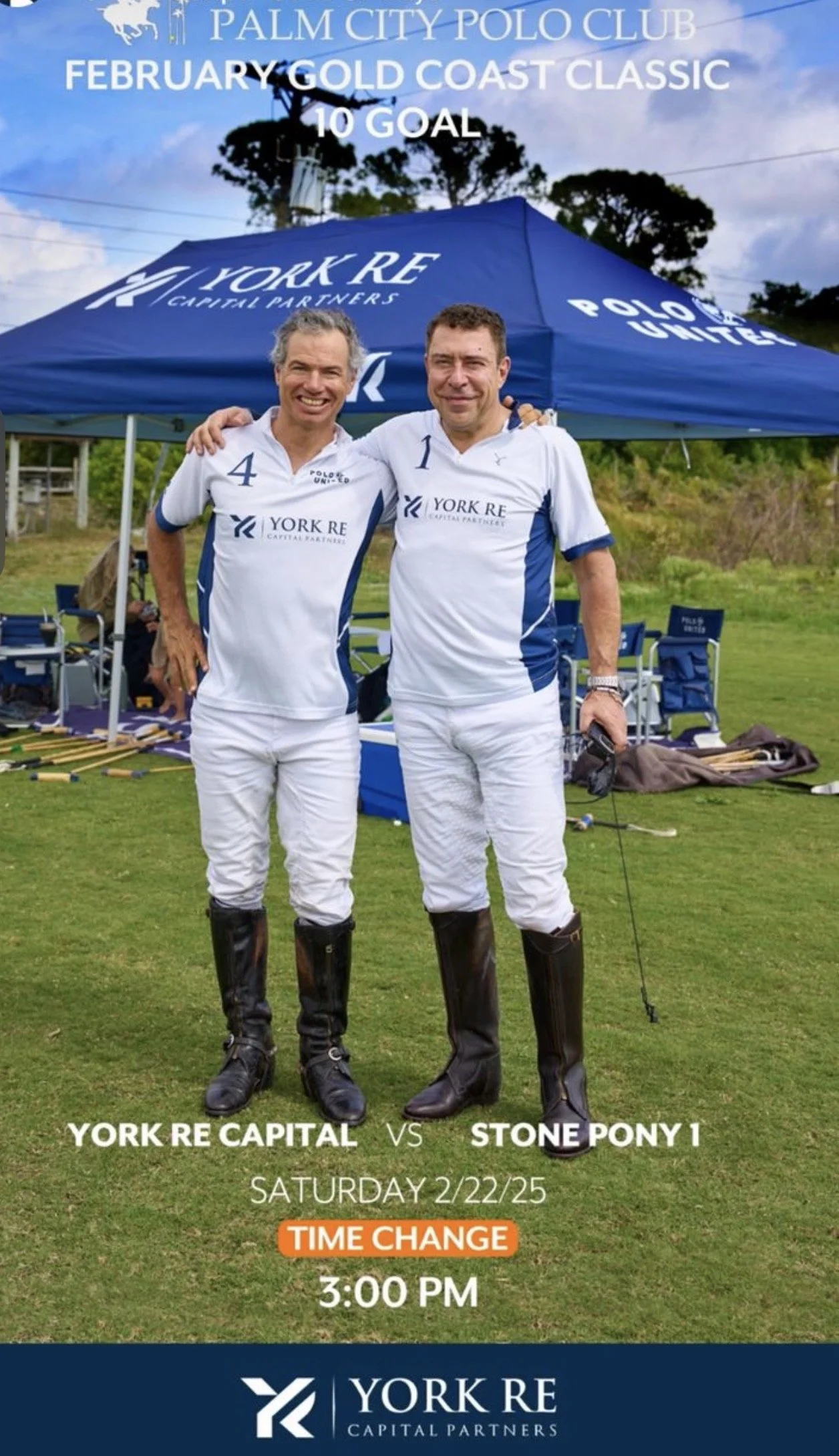
According to the investigation, he was charged $6,000 for a single practice match and roughly $40,000 to rent horses for sporadic play—prices wildly detached from what others were paying. In return, Polo United gave him preferential treatment, a custom jersey, a team named after York RE Capital and the theater of importance.
Vanity was the point of entry
The reporting portrays Meshechok as a mark, but not an innocent one. He bought into Polo United because the illusion served him. It supplied status, attention, professional players and entry into a private world he wanted to inhabit.
Behind his back, Desenzani and Dorignac allegedly mocked his ability and treated him as a source of cash. In public, they flattered him and staged a version of polo in which he occupied the center. What Meshechok purchased was less a sporting education than a controlled fantasy.
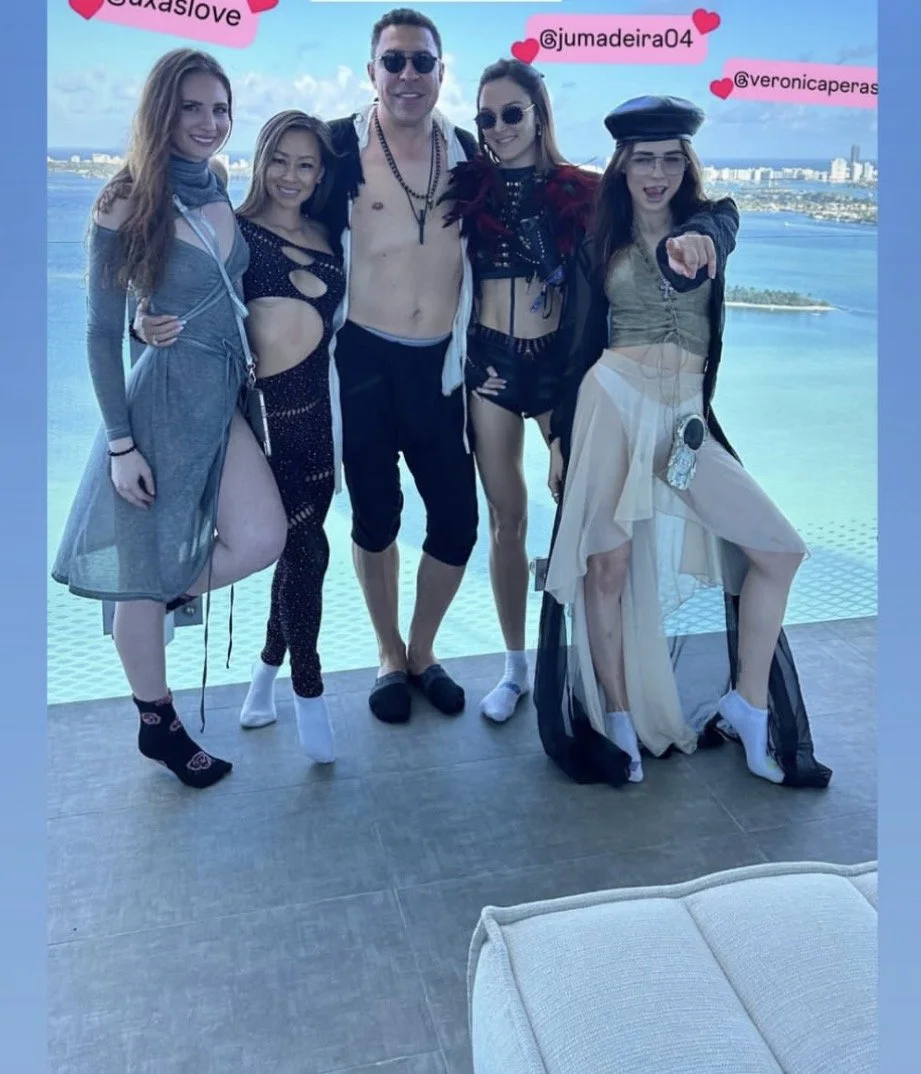
The patron became financially entangled
By July 2024, Meshechok’s relationship with Polo United had moved beyond expensive matches. He placed a lien on Desenzani’s present and future personal property while, according to later court papers, advancing substantial sums to Desenzani and Dorignac.
The investigation places those advances alongside Polo United’s horse-investment pitch: cash was solicited for horses supposedly being acquired in Argentina, while questions accumulated about whether horses were paid for, whether they existed as represented and where the money went. Meshechok may have believed he was investing in a legitimate operation. He was nevertheless financing the machinery while others were being solicited under the same structure.
Suing Michel while continuing to employ him
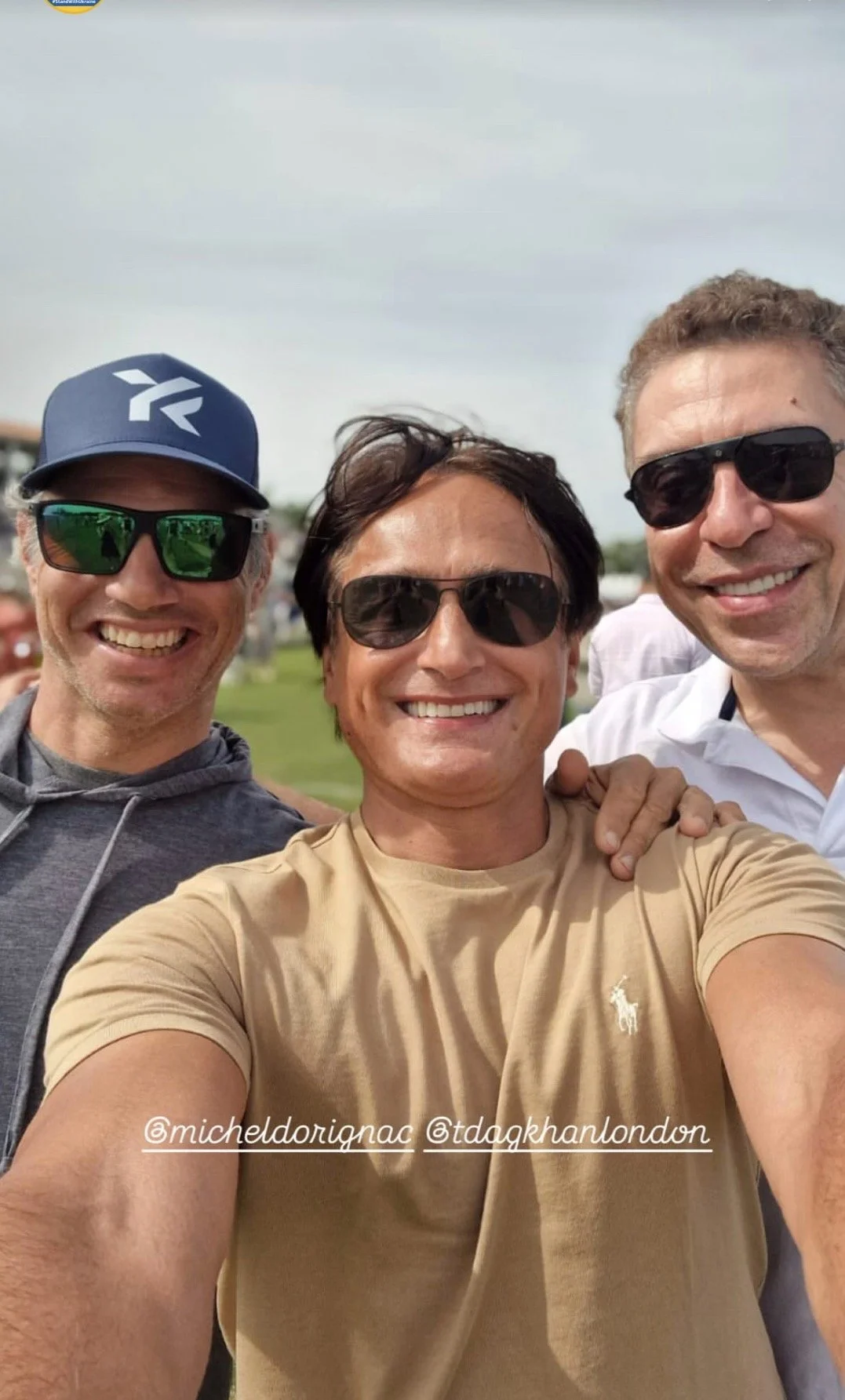
Meshechok’s later position is difficult to reconcile. His company sued both Desenzani and Dorignac for fraud, conversion and breach of contract. Yet Dorignac continued appearing as a featured professional on the York RE Capital polo team, while Meshechok’s materials continued drawing on Polo United’s branding.
If Dorignac had helped defraud him of hundreds of thousands of dollars, why did their professional relationship apparently continue? The investigation treats that contradiction as central—not a footnote. Courtroom adversary and polo teammate were, for a time, the same man.
A claim for at least $375,000
On February 13, 2025, York RE Capital Partners, LLC filed suit in Westchester County against Desenzani and Dorignac. The complaint alleged that Meshechok advanced $320,000—$150,000 in July 2024 and $170,000 in December—and that the defendants misrepresented Polo United’s finances and defaulted.
The timing drew scrutiny. Desenzani had been in a coma since January 5. The investigation questions whether the action was solely an effort to recover losses or also a strategic move to gain priority over creditors, distance Meshechok from the operation and reach Polo United’s remaining assets.
A big donation appeared and then vanished
After Desenzani’s injury, Meshechok made the GoFundMe’s largest visible donation: $5,000. Then the campaign total fell by the same amount, his name disappeared from the donor list and his Instagram promotion was removed.
The reporting interprets the retraction against a struggle over money, control and what remained of Polo United. It does not establish Meshechok’s private reason for withdrawing the donation. What it documents is the sequence: public support, sudden reversal and silence.
When the operation collapsed, he moved to protect himself
The series ultimately describes Meshechok as neither a conventional victim nor a normal customer. He was a willing mark whose vanity funded the operation, a lender whose capital helped keep it alive and a litigant who moved aggressively only after the structure began to collapse.
The investigation’s harshest inference is that Meshechok did not merely flee the wreckage. He sought position within it—maintaining the useful relationship with Dorignac while asserting claims against the comatose Desenzani and the enterprise they had all sustained.
What supports
the investigation
Reported evidence
- York RE Capital’s Westchester County complaint and sworn allegations.
- The lien filed against Desenzani’s personal property.
- Payments and prices described by participants in Polo United.
- Team materials showing Dorignac’s continuing York RE Capital role.
- Public changes to the GoFundMe donor list and campaign total.
Investigation’s findings
- Meshechok’s vanity made him unusually profitable to Polo United.
- His money helped finance the operation and its appearance of legitimacy.
- His lawsuit conflicted with his continued professional relationship with Dorignac.
- His legal posture may have served strategic interests beyond recovery.
- His apparent wealth was conspicuous; its underlying provenance remained unestablished.
This page summarizes Wendy Ouriel’s published investigation. Allegations are attributed to the investigation, court filings and its sources; analytical conclusions are identified as the author’s. No criminal conviction against Meshechok is asserted here. Anyone named in the reporting may submit relevant documentation or a response to wendyouriel@gmail.com.